Survivor Spotlight: Jenny Finkler
June is National Cancer Survivors Month, and we’re sharing stories and insights from survivors in our CARES community. In 2022, after recurrent migraines, Jenny Finkler was diagnosed with a Melanoma brain tumor. A lifelong figure skater, Jenny now coaches in Florida and has been an incredible part of our Sk8 to Elimin8 Cancer® Orlando community, participating both in fundraising efforts and performing to help advance the mission of the Scott Hamilton CARES Foundation.
Thank you, Jenny, for sharing your story to inspire hope and raise awareness about the importance of continued investment in cancer research.
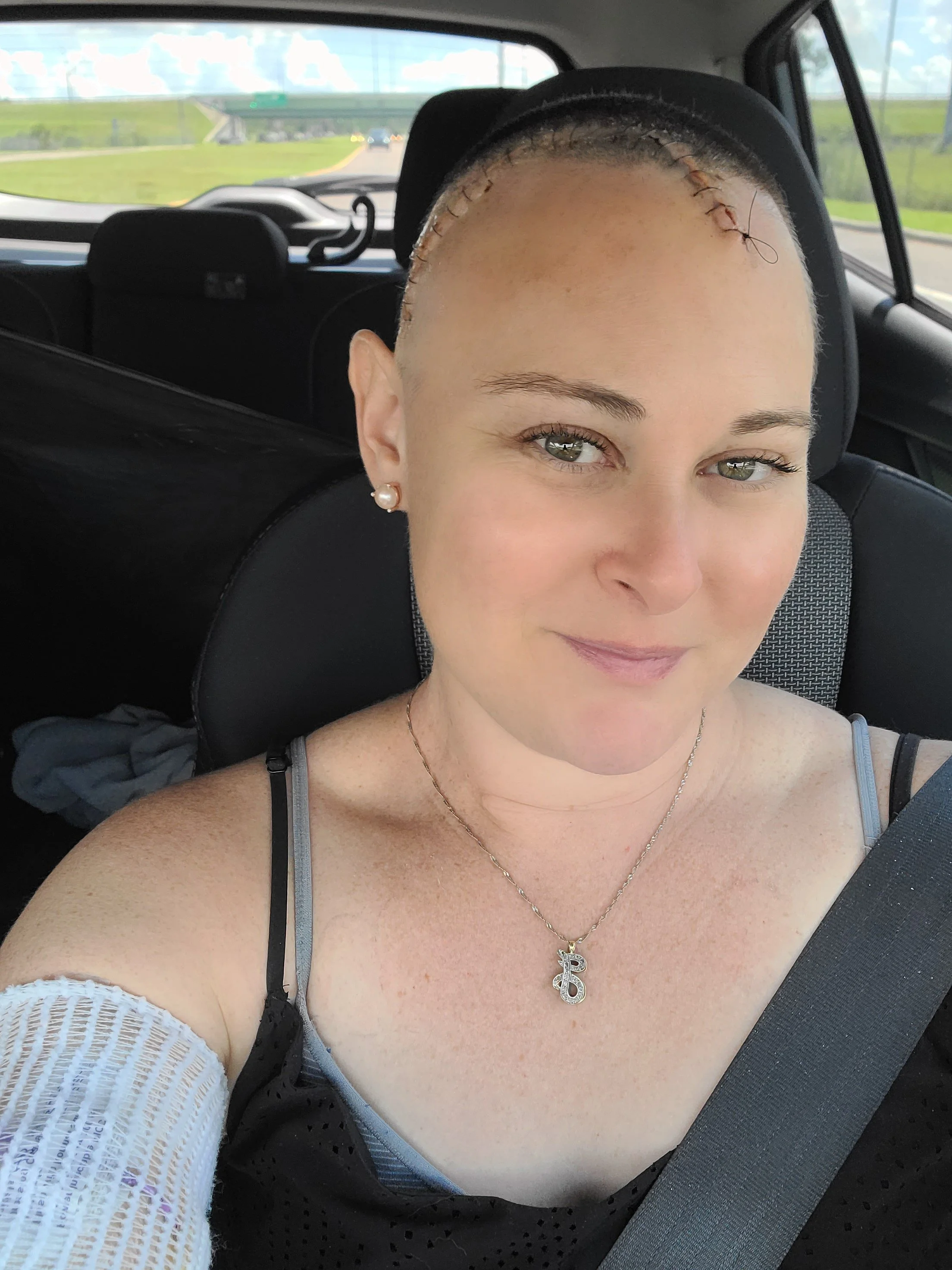
Jenny
What were your biggest challenges during your treatment?
One of the biggest challenges is going in for what seems like a simple scan because of headaches, while quietly struggling with the fear that life will change because of cancer. Unfortunately, I seemed to get every extra symptom in the book. If there was a 30% chance of having a side effect or symptom, I was probably going to be the one to get it.
When I was diagnosed, my husband and I made an agreement that no matter how hard the day was, we would always tell each other one positive thing that happened each day. That simple habit helped me mentally more than I can explain.
Choosing to stay positive when everything around you feels uncertain (and when the news you receive is not always good) is by far the hardest part of treatment. But finding even the smallest moments of gratitude and hope helped carry me through the darkest days.
Did any treatments or trials in your care come from cancer research?

Jenny performing at Sk8 to Elimin8 Cancer® in Orlando
Yes, many of the treatments I received, including the immunotherapy drugs Yervoy and Opdivo, were part of ongoing cancer research and clinical advancements. Those treatments helped clear my specific metastatic cancer, and I am incredibly grateful for that.
I also feel extremely fortunate to have been treated by the talented doctors at Moffitt Cancer Center, where I had access to groundbreaking research, clinical trials, and innovative therapies. Because of those advancements in cancer research and the care I received, I have remained cancer-free for the past four years.
Has surviving cancer changed your outlook on life?
Absolutely. Surviving cancer completely changed my outlook on life and gave me a new perspective on everything. What once felt like a terrible day — a stressful day at work or small everyday problems — no longer seems nearly as overwhelming compared to what I went through during treatment. One of the most important things I carried with me from that experience was the mindset of choosing positivity, even during the hardest moments. Throughout treatment, my husband and I made a habit of ending each day by sharing one positive thing that happened, no matter how small. Four years later, we still do it today.
That experience taught me what a truly bad day is, but it also taught me how important it is to find gratitude and hope in everyday life.
What message would you share with someone diagnosed with cancer?
If I could share one message with someone diagnosed with cancer, it would be this: positivity truly goes a long way. Celebrate everything you can, no matter how small it may seem. Every small improvement is a victory worth acknowledging. You come out of surgery and wake up — that’s a victory. You can speak, stand, and take a few steps — that’s a victory. You brush your teeth, take a shower, and get through the day — those are victories too.
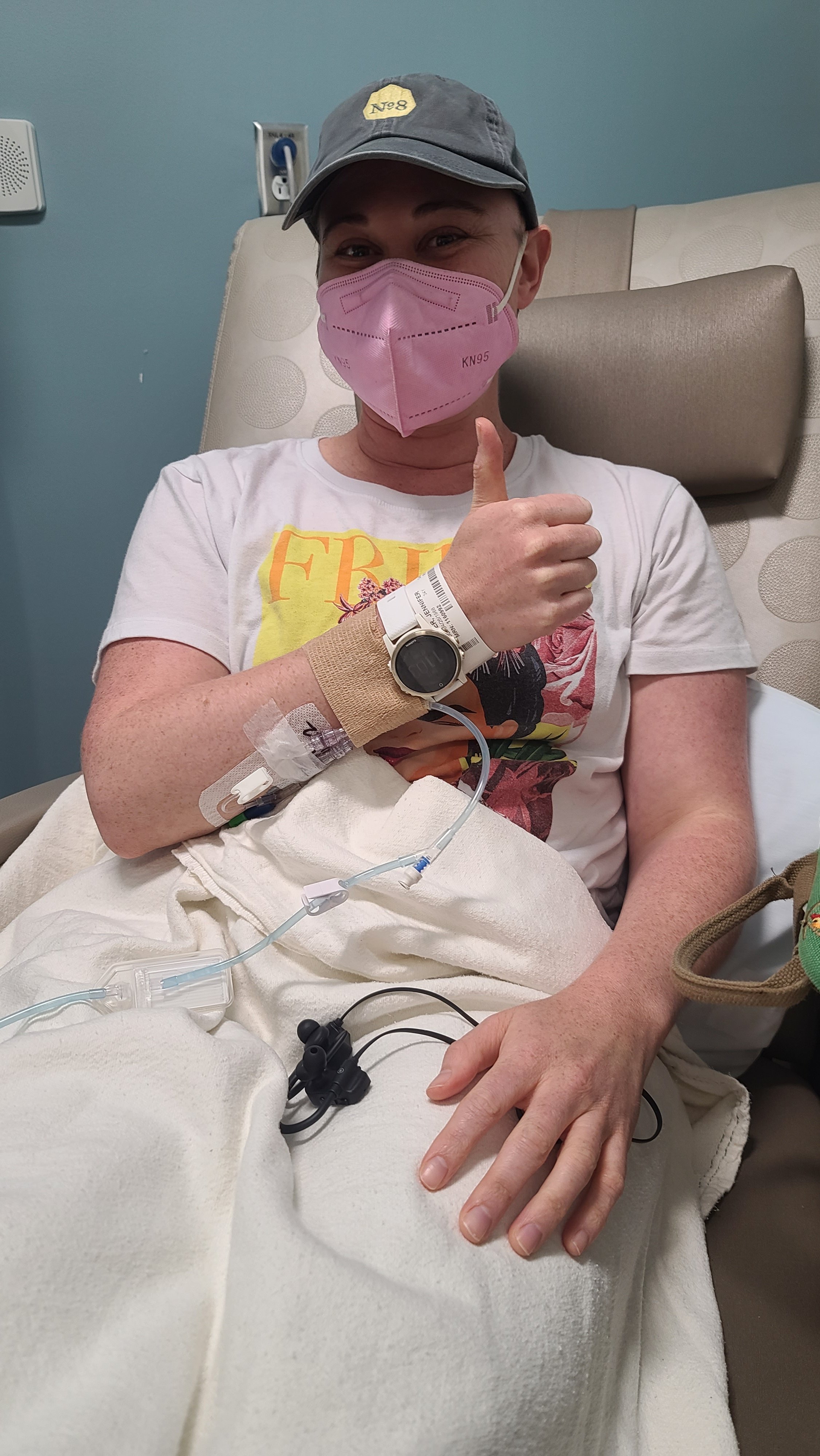
Cancer taught me not to take anything for granted. The smallest moments of progress became the biggest reminders of strength, resilience, and gratitude.
What would you say to someone considering supporting cancer research but unsure if their contribution makes a difference?
Cancer research is the reason many of us are still here. It is the reason treatments evolve, survival rates improve, and diagnoses that once felt devastating now come with more hope than ever before. I am one of the people who have benefited from those advancements, and I carry a profound gratitude for the science, the researchers, and the donors who made that care possible.
What often feels like a small contribution on one side becomes part of something much larger on the other — time, hope, and life for someone like me.
I feel hopeful when I think about the future, not just for myself, but for everyone who will face this disease after me. Continued support of cancer research is not abstract - it’s real people, real families, and more chances at life.