June is National Cancer Survivors Month, and we’re sharing stories and insights from survivors in our CARES community. Kevin McClurg was introduced to CARES by his brother, Steven McClurg, and attended his first CARES event in 2025. Kevin’s journey with colorectal cancer helped inspire CARES investment in a colorectal cancer and liver metastasis research project in 2024.
Thank you, Kevin, for sharing your story to inspire hope and raise awareness about the importance of continued investment in cancer research.
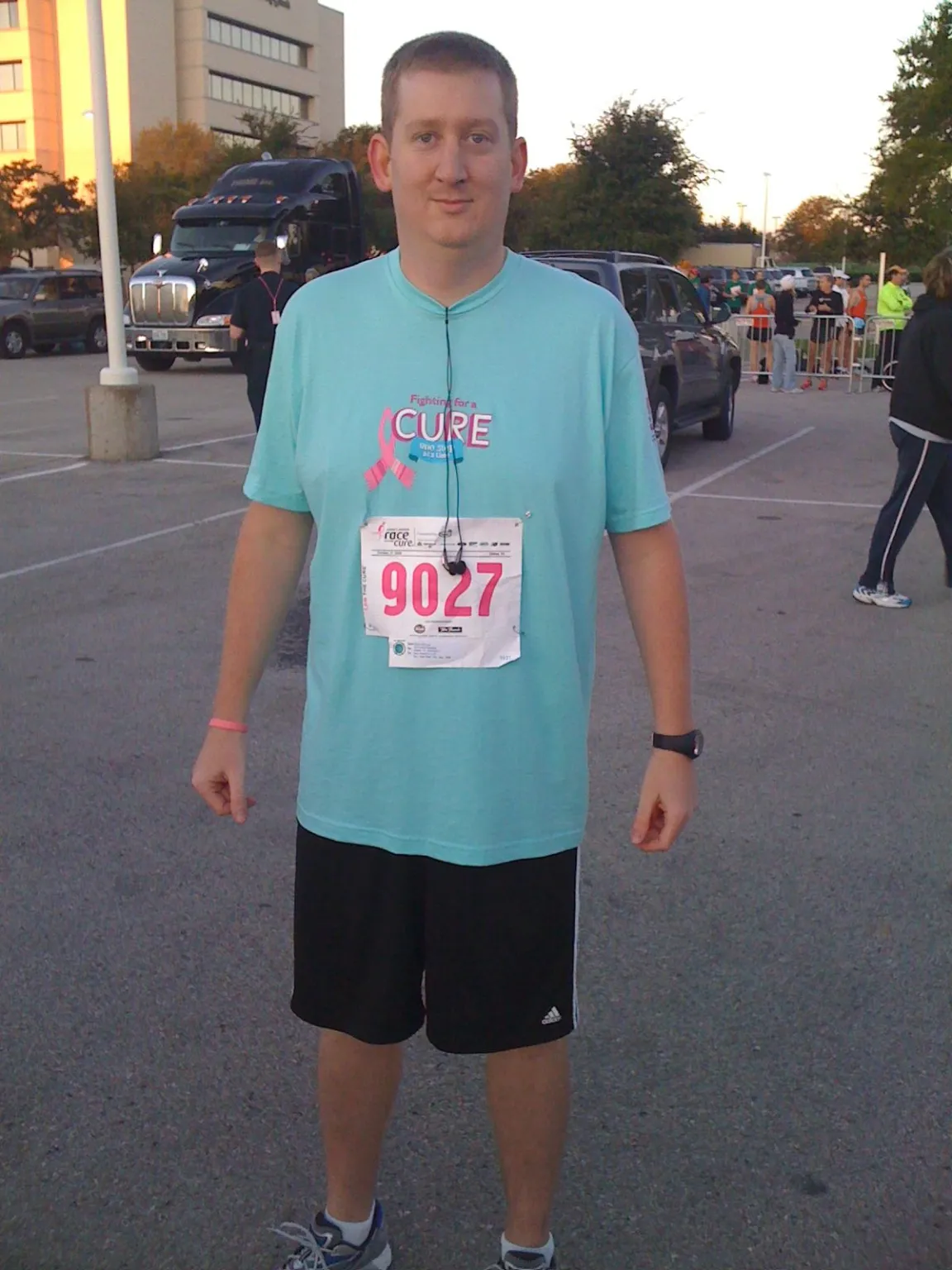
Kevin McClurg
What were your biggest challenges during your treatment?
Four years ago, at age 42, I walked into a North Texas ER with sudden severe back pain, only to learn I had early-onset stage 4 colon cancer that had metastasized to 50% of my liver. I was devastated and in complete shock. The thought of my 6-year-old daughter growing up without her dad was just heartbreaking to me.
Three and a half years of treatment was difficult. Chemotherapy, radiation, three major surgeries, liver transplant, scans, and ablations. What was harder than the treatment were the days I received bad reports from my oncologist. Once you get bad news, you might have to wait a couple of months or longer before you [have another appointment and] get a chance at getting a good report.
For three and a half years, I was just surviving treatment. With recent clear scans and clear circulating tumor DNA (ctDNA) reports, I feel like a cancer survivor for the first time.
Did any treatments or trials in your care come from cancer research?
I started treatment in North Texas, but my wife started looking for doctors and treatment centers that had advanced colon cancer survivors. This led me to the now-retired Dr. Nancy Kemeny at Memorial Sloan Kettering (MSK). Her research helped develop the current procedure for using a hepatic artery infusion (HAI) pump to directly target the metastases that had spread to my liver. I had a HAI pump implanted through her surgical team at MSK, which made a huge impact for me by lessening my tumor burden, which in turn made me eligible further surgical interventions.
Due to the severity and volume of metastases in my liver, even with resections and treatment, my liver was in very bad shape. I was only going to survive if I got a liver transplant. The research on liver transplants for colon cancer patients had just restarted in the last few years, and very few hospitals offered the procedure. This led me to Dr. William Chapman and Dr. Maria Doyle at WashU Medicine. These two transplant surgeons are leading research that’s saving lives, including my own. I agreed to be part of a trial at WashU and received a liver about 6 months after being listed. I also agreed to be a part of two ongoing studies to help future cancer patients like me.
What message would you share with someone diagnosed with cancer? Has surviving cancer changed your outlook on life?
For anyone battling advanced cancer, it is less important that you like your oncologist and more important to find the doctors that have a history of saving lives. Find the doctors that have contributed to treatment research. Those doctors are likely the ones that can save you.
From the time you receive your cancer diagnosis, your life has forever changed. In the days, weeks, and years following, you will understand more what has changed. You will always have that anxiety if the treatment is working. It will be followed by anxiety about a recurrence. The silver lining of being a survivor is you’ll have a better understanding of what priorities are important in life. You might also have an extreme soft spot for others fighting the battle. Don’t be shy about using that soft spot to help others. Your experience can be a beacon of hope to others in similar situations.